How Mobile Payment App Logins Work
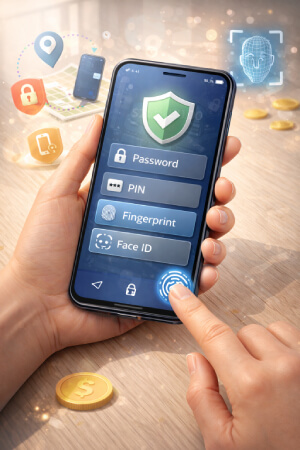
Mobile payment applications make use of multi-factor authentication which is more secure than just one password. This arrangement is designed to secure confidential financial information yet provide quick access at the same time. The moment a person opens the application, the system carries out a simultaneous check of different signals. Those signals might be the authentication details already saved, recognition of the device being used, the geographical area the user is located in, and the security settings such as fingerprint scanning or face recognition.
Most apps consider each device as a reliable endpoint. Signing in from the same smartphone every day produces a regular pattern. If there is even a slight deviation from the pattern, the system may either slow the process down or cut off access until the user is sure to be verified again.
Passwords PINs and Biometrics
Most payment apps allow for numerous login methods. Password or PIN serves as the initial configuration of any user ID. The situation gets a bit more convenient when biometrics can be incorporated, such as fingerprint and facial recognition. In general, the app will return to the password or PIN after several rounds of failed biometric login. The problem would usually appear if users were to discard their memory of their backup login credentials by way of total dependence on biometrics. Strangely enough, biometric login could be reset after updates or a device restart, thereby forcing the manual entry by the user.
Device and Location Checks
Apps quietly track where and how logins happen. A new device, a system reset, or a login attempt from a different network can trigger additional verification. This is not a malfunction. It is a protective response designed to prevent unauthorized access.
Why Login Problems Happen
Incorrect Credentials
It sounds obvious, but mistyped passwords remain a top cause of login failure. Auto-fill tools sometimes insert outdated information. Small changes like switching keyboards or enabling caps lock can cause repeated errors.
Too Many Login Attempts
Multiple failed attempts in a short time window can lead to a temporary lockout. This is common after users rush through retries without stopping to double-check details. The lockout is usually time-based and resolves on its own.
App or System Updates
Updates can reset login states or invalidate saved sessions. After an update, an app may require full reauthentication even if nothing else changed. Operating system updates can also interfere with biometric permissions.
Connectivity Issues
Login attempts require a stable connection. Weak signals, VPN interference, or network switching mid-login can cause the app to fail silently or return generic errors.
Security Flags
If a login attempt looks unusual, the app may block access until identity can be confirmed. New devices, sudden location changes, or repeated failed attempts often trigger this response.
What to Do When You Cannot Log In
Before contacting support, a few basic checks often resolve the issue faster than expected. Rushing usually makes things worse. Confirm the app is updated to the latest version. Check internet connectivity and disable VPNs temporarily. Re-enter credentials manually instead of using auto-fill. Restart the device and try again.
If access is still blocked, use the app’s built-in recovery tools. Password reset options usually work through email or SMS verification. Follow prompts carefully and avoid repeating attempts too quickly.
When a Temporary Lockout Occurs
Lockouts typically last anywhere from a few minutes to several hours. Trying to bypass them by reinstalling the app or creating a new account often triggers further security checks. Waiting it out is usually the fastest solution.
Account Recovery and Verification

In some cases, login issues escalate into full account verification. This can happen after device changes, suspicious activity, or repeated failures. Users may be asked to confirm identity through additional steps.
Verification processes vary, but they often include answering security questions or confirming personal information. While inconvenient, these checks are designed to prevent unauthorized access to funds.
Common Recovery Mistakes
Many users abandon recovery halfway through or switch methods too often. Starting multiple recovery requests can slow things down. Completing one method fully before trying another usually leads to faster resolution.
When to Contact Support
Support should be contacted when recovery tools fail or when access has been blocked for an extended period. Having details ready makes the process smoother. Dates, error messages, and device information are usually requested.
Response times vary, and resolution may take longer during peak periods. That delay feels frustrating, but repeated submissions rarely speed things up.